Author: Rose K

  • Best Things to Buy at Costco

    Best Things to Buy at Costco

    Oh Costco, how do I love thee? Let me count the ways.

    Sure, at times it can be hard dealing with your many other lovers. And yes, our time together ends up costing me way more than I bargained for. Yet I keep coming back to you. I mean, where else can I get the satisfaction of organic, healthy food at bargain prices? Nowhere.

    Luckily I know that with a little planning (avoiding weekend dates) and restraint (just stick to the list, girl!), our beautiful relationship can continue to thrive.

    (Product availability may vary by season and location.)

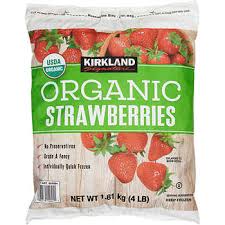
    1. Kirkland Organic Strawberries

    Strawberries are #1 on the dirty dozen list, but fresh organic strawberries can be hard to find so we buy them frozen. Did you know frozen fruits are just as nutritious as fresh? We put them in smoothies, make homemade jam, put them on pancakes. We also get the Organic Wild Blueberries for the same reasons. Great for baking too. BTW, have you met The Blueberry Crumble?
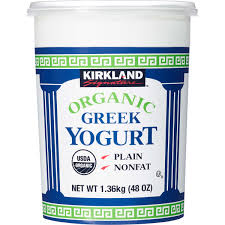
    2. Kirkland Organic Greek Yogurt

    Speaking of berries, one of my favorite memories of Spain as a kid was waking up and going to get fresh strawberry yogurt with my cousins. Unlike some, this yogurt doesn’t have added sugar and has live cultures / probiotics that are good for our gut microbiom. It’s a healthier alternative to sour cream and when we’re feeling fancy, we mix it with berries and granola for a yummy breakfast parfait. We also reuse the container – perfect for freezing broths and soups.
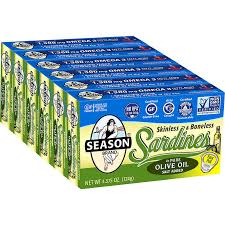
    3. Season Sardines

    Brain boosting Omega-3’s without the toxic mercury found in Tuna? Yes please! 🙋‍♀️ My son loves opening these little packs and I love that they’re sustainable and wild caught. They’re a great tuna substitute in tuna fish sandwiches or a quick snack straight out of the can (and then save the oil for salad dressing). We also like to stock up on these just in case of a hurricane and/or major power outage.
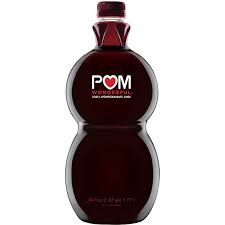
    4. Pom Wonderful Pomegranate Juice

    It IS wonderful! 100% pomegranate juice full of antioxidants. No added sugar and POM has potassium—an electrolyte that helps maintain muscle function. Every 8oz serving packs as much as the average banana. Potassi-yum (their words, not mine). We usually add ice and dilute it with Pellegrino for a refreshing, sparkling beverage. Potassi-yum, indeed. Speaking of Pellegrino…
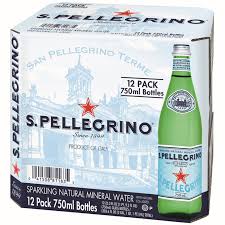
    5. S. Pellegrino

    It’s not just for fancy folks anymore. S.Pellegrino has come from a natural spring at the foothills of the Italian Alps for over 600 years! It’s bottled at the source and doesn’t undergo any treatment, except for natural carbonation used to preserve the minerals. My hubby drinks this A LOT so buying it by the case makes sense for us. It comes in large glass bottles (we try to avoid buying plastic) and it’s HEAVY so he usually makes the Costco runs. Win-win. 😉
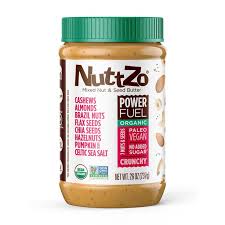
    6. Nuttzo Butter

    Yep, we are nuts about Nuttzo. It’s not cheap but it’s loaded with healthy, organic seeds and nuts. We add it to smoothies, use it for PB&J sandwiches, spread it on crackers and apple slices. And we’ve been known to eat the last few spoonfuls straight out of the jar. It’s not cheap but I love that it’s made in our hometown (San Diego) and is helping neglected children around the world. Go Nuttzo!
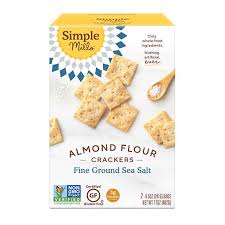
    7. Sea Salt Almond Flour Crackers

    Running low on these addictive crackers is what typically triggers a trip to Costco. They’re made with a wholesome blend of almond flour, sunflower seeds, and flax seeds. They’re non-GMO and certified Gluten-free. We also stock up on the Crunchmaster Multi-Grain Baked Crackers for when we’re craving a bit more of a crunch or for scooping up hummus. Speaking of hummus…
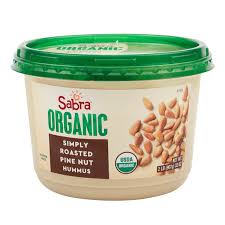
    8. Sabra Roasted Pine Nut Hummus

    Organic hummus is expensive and hard to find so getting this big ol’ tub at a reasonable price is a no-brainer. Research shows hummus and its ingredients can help fight inflammation, improve blood sugar control, digestive health, and lower heart disease risk. It’s a great plant-based protein for dipping veggies and crackers.
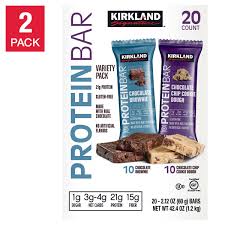
    9. Kirkland Protein Bar

    Costco has a ton of snack bars so I invested some time reading all the ingredients and these seemed the healthiest to me. During a pandemic, I’m not above bribing my 7-year-old son to exercise in between his “distanced learning” classes.

    Me: Hey, want to go for a walk?
    Him: Nah.
    Me: How about we have one of these protein bars while we walk?
    Him: Okay! Can I have the chocolate brownie one?
    Me: Done.
    10. Sabatino’s Organic Basil and Cracked Black Pepper Chicken Sausage

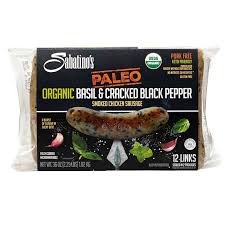
    I used to love sausage but the thought of eating animal intestines stuffed with pork started to gross me out. I was overjoyed when my hubby came home with these beauties. Not only do they have plant-based casings, they’re certified organic which is kind of a big deal when it comes to chicken. We like to roast these in the toaster oven along with some veggies for a quick, delicious dinner. I bet they’d be great on the grill too.
  • How to Prevent Childhood Cancer

    How to Prevent Childhood Cancer

    Did you know September is childhood cancer awareness month? Cancer remains the #1 cause of death by disease for children in America and a child is diagnosed with cancer every 3 minutes worldwide. While we’ve made great progress in terms of treatment, children’s cancer rates have been steadily increasing. (1)

    As a mama, I find these facts particularly disturbing and heartbreaking. So this month, we’re taking a look at what might be causing childhood cancer and what we, as parents (or parents-to-be), can do about it. 

    Why do kids get cancer? 

    Chances are your child will not get cancer, but it does happen. 

    The causes of pediatric cancer are not completely understood. While adult cancers are often linked to lifestyle or environmental factors, it’s still unclear what causes cancer in children. Partly because pediatric cancer is rare and partly because it’s difficult to determine what a child may have been exposed to before birth and in early development.

    We do know approximately 10% of children with cancer develop the disease because they inherited a genetic mutation. Even though there’s nothing we can do to prevent this, we can make ourselves aware of childhood cancer signs & symptoms to increase the chances of early detection and recovery. 

    Of course, the best path is prevention.

    Just as we put our child in a car seat and keep a watchful eye on them so they don’t get hurt, it’s important to educate ourselves on things we can do to prevent childhood cancer. 

    Preventing Childhood Cancer

    There’s plenty of research now that suggests there are things we can do early on in a child’s life to help prevent cancer–YAY!

    Is it always easy? No, but it’s definitely easier than seeing an innocent child suffer from this life-threatening disease. Let’s take a look at some simple ways we can reduce the risk. 

    1. Have a healthy pregnancy. Good nutrition is vital for all life stages, but adequate nutrition during pregnancy is crucial. Research shows that mothers eating the right amounts of fruits and vegetables, avoiding nitrates, and supplementing with folic acid, can reduce childhood leukemia and neuroblastoma. (2) Breastfeeding (ideally 9+ months) helps build the child’s immune system to help protect them from cancer cells.  
    2. Don’t smoke. Then, of course, there is tobacco smoke. Did you know that smoke from cigarettes contains more than 60 cancer-causing compounds? (3) Second-hand smoke is damaging to children. Kids with parents that smoke have a greater chance of becoming an addicted smoker later in life, so let’s set a good example.
    3. Serve fruits and vegetables. A healthy diet with lots of fiber, greens, and fruit is an important part of cancer prevention. It helps remove harmful chemicals, prevents and repairs cell damage, and blocks the formation of cancer. On the other hand, some foods have been linked to childhood cancer. Avoid smoked or processed meat like bacon, sausage, ham, lunchmeat, and hot dogs that contain nitrates. (4) Eat whole foods and limit processed food, red meat, sugar, salt, and dairy. 
    4. Don’t be a neat freak. Too much antibacterial soap and sterilized food and environments can weaken a child’s immune system. Growing bodies need fresh food and an outdoor lifestyle to catch minor illnesses in order to develop an effective immune system. Children brought up on farms or with pets are known to have stronger immune systems which help prevent the growth and spread of cancer cells. 
    5. Avoid sunburns. A bit of sun during non-peak hours is a great source of Vitamin D but too much can be damaging and increase the risk of skin cancer. To avoid sunburns during peak hours (UV rays are strongest between 10 am-4 pm): seek shade, apply non-toxic sunscreen, put on a hat that shades their face, and use protective swim shirts.
    6. Encourage exercise and healthy weight. Physical activity helps with detox, stabilizes hormones, and is known to decrease incidences of cancer. Activities like watching TV or playing computer games are less likely to get their lymphatic system going and oxygenate their blood. An active lifestyle also helps prevent obesity—another health challenge linked to various types of cancers. According to Dr. Paul Rogers, a pediatric oncologist at British Columbia Children’s Hospital states that childhood leukemia has a poorer prognosis in both malnourished and obese children. (5) So let’s keep our children active and well-nourished. 
    7. Limit exposure to toxic chemicals. Indoor pesticides can cause childhood cancers like lymphoma and leukemia (6) be aware of chemicals you might be exposed to at work and bringing home on your clothes (such as arsenic, benzene, asbestos). Be mindful of toxic chemicals in household products such as lice shampoos, garden sprays, flea collars. Eat organic if possible and reduce your kid’s exposure to solvents, paints, lead. The best bet is to buy all-natural cleaning products and look carefully at what’s in other household items (ie BPA). Be mindful of air pollution too. Research links children being exposed to pollution from cars with leukemia. (7) 
    8. Avoid radiation and limit screen time. Radiation is a well-known cause of cancer and it accumulates so limit the amount of radiation used during certain medical tests (ie CT scans) or consider safer alternatives (ie MRI). Mobile devices (phones, tablets, etc) also emit levels of radiation that aren’t good for children’s thinner skulls, developing brains and nervous systems. Turn off WIFI at night if possible and don’t let them play with mobile devices or computers for hours. I know it’s tempting (especially during a pandemic) but is it worth risking their long-term health?
    9. Limit antibiotics and mercury. Antibiotics kill off friendly bacteria in our gut needed for a strong immune system. Mercury-based vaccines and dental fillings can be harmful. Sure, the amount may be small but so are our babies’ bodies. As parents, it’s important to educate ourselves on potential health risks and alternatives. 
    10. Avoid certain infections. Infections cause chronic inflammation and suppress the immune system. Hep B and Hep C can increase cancer risk so let’s teach our older kids about the possibility of catching a virus through unprotected sex and needles (drug use, tattoos) before it’s too late. 
    11. Provide a happy home. Emotional health is just as important as physical health. Creating safe, stable, nurturing relationships and environments for our children is an important part of preventing cancer. Protect them from adverse childhood experiences and remember to have fun! Laughter has great health benefits. Avoid making children feel guilty or chronically stressed which can suppress their immune system and its ability to fight off the bad guys. 

    Not all cancer is preventable, but giving our children a healthy start dramatically reduces their cancer risk throughout their lives! And in a world of increasing cancer rates, that’s one of the best things we can do for them. 

    💚


    Works Cited

    1. Kriebel, David, et al. “Environmental and Economic Strategies for Primary Prevention of Cancer in Early Life.” American Academy of Pediatrics, 1 Nov. 2016
    2. Goh, Y Ingrid, et al. “Prenatal Multivitamin Supplementation and Rates of Congenital Anomalies: a Meta-analysis.” PubMed, Journal of Obstetrics and Gynaecology Canada
    3. Parkin, DM. “2. Tobacco-attributable Cancer Burden in the U.K. in 2010.” British Journal of Cancer
    4. Peters, John M., et al. “Processed Meats and Risk of Childhood Leukemia (California, USA).” Cancer Causes & Control
    5. Rogers, Dr. Paul. “Cancer Prevention Must Begin in Pregnancy and Childhood.” World Cancer Research Fund International
    6. Chen, Mei, et al. “Residential Exposure to Pesticide During Childhood and Childhood Cancers: A Meta-Analysis.” American Academy of Pediatrics
    7. Boothe, Vickie L. “Residential Traffic Exposure and Childhood Leukemia: A Systematic Review and Meta-analysis

    Photo by Robert Collins

  • Easy Blueberry Crumble Recipe

    Easy Blueberry Crumble Recipe

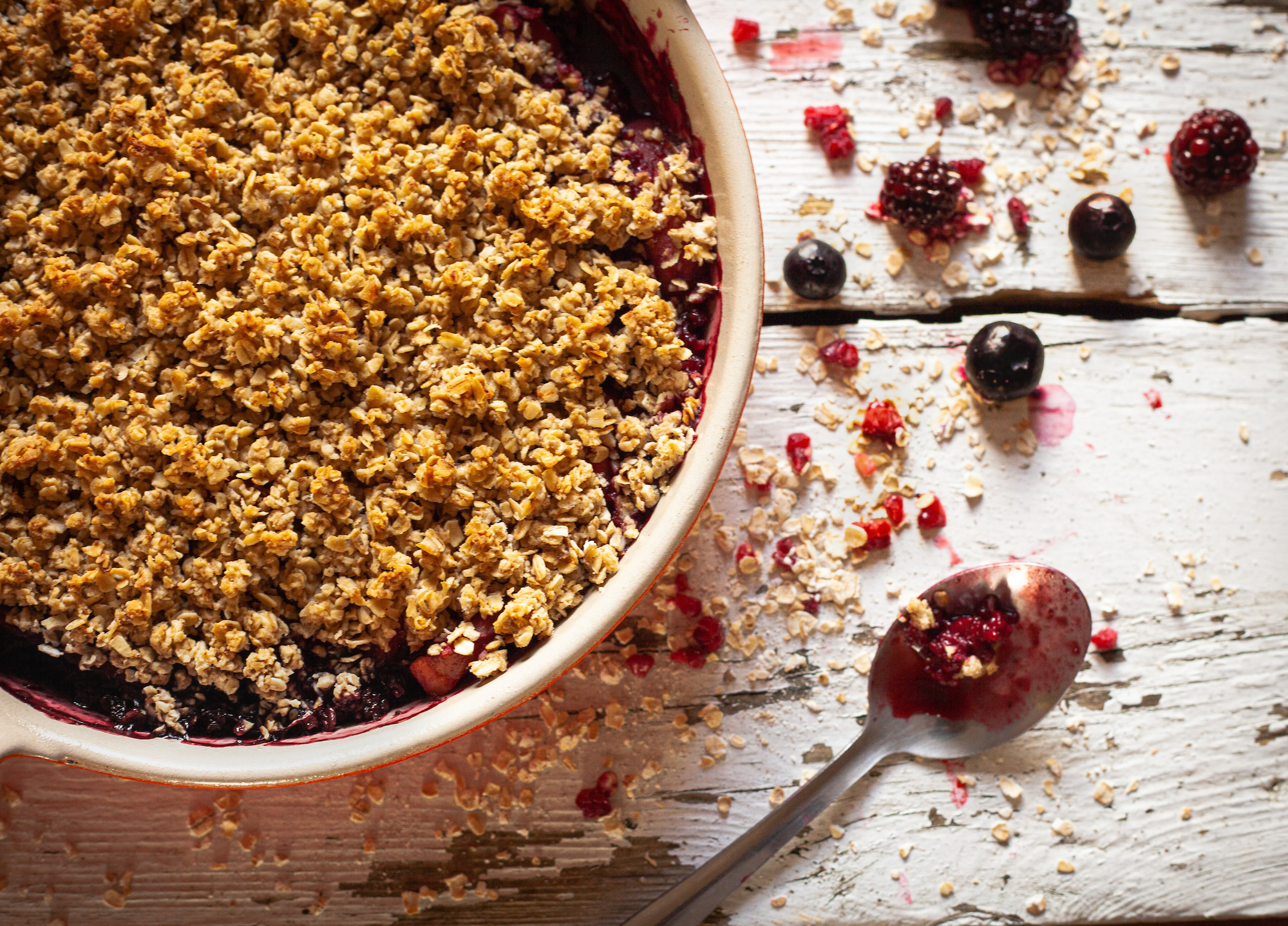
    A while back, I made a glorious discovery while scrolling through Instagram: The Blueberry Crumble. 😋

    I was already in love with blueberries because of their powerful antioxidant and cancer prevention superpowers but having a simple way to enjoy mass quantities in a delightfully delicious dessert was a no-brainer.

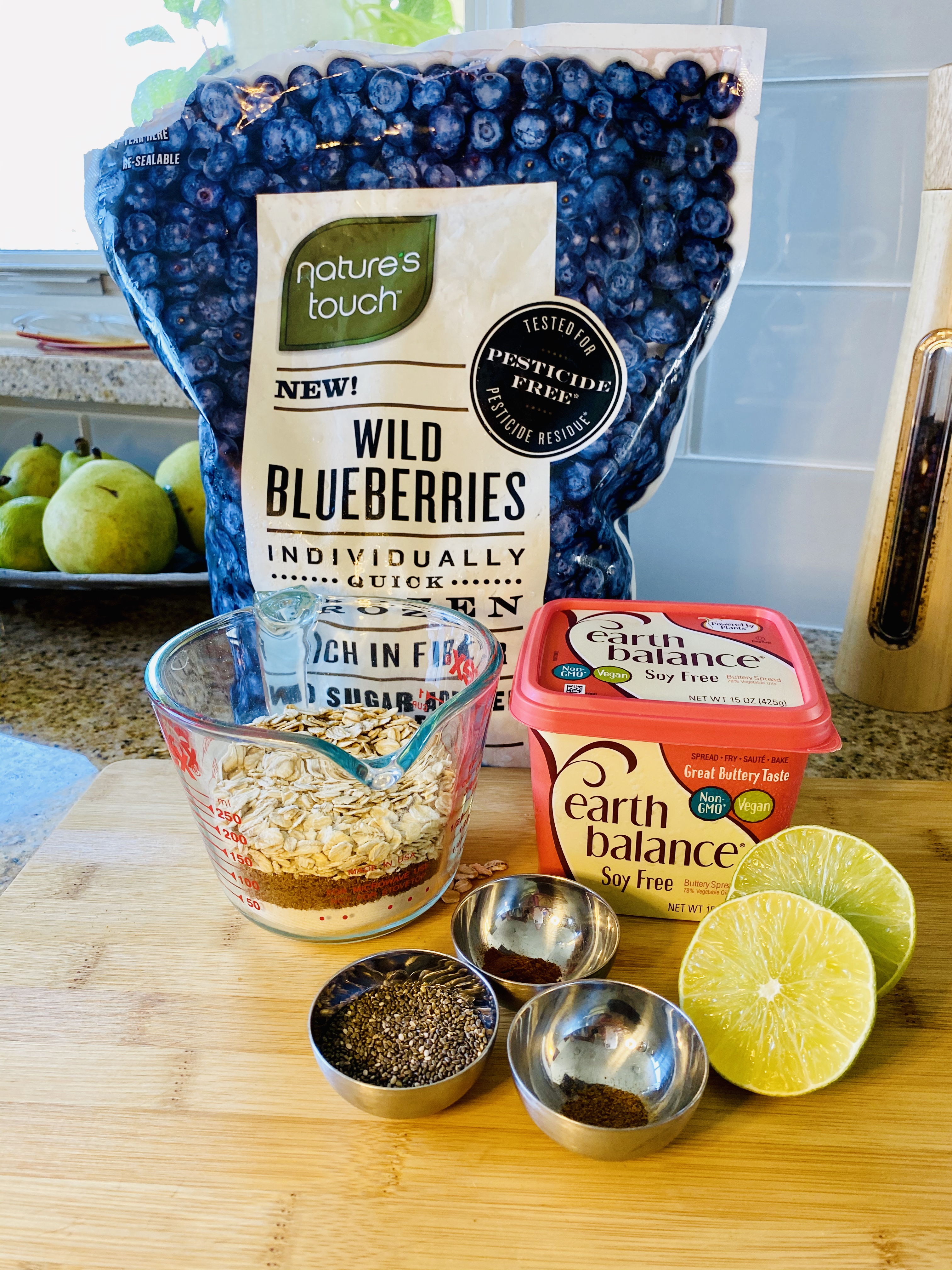
    We make this dessert so often, we’ve even put our own twist on it by using clean, organic ingredients whenever possible. The Chia Seeds not only help thicken the filling and are a healthy source of omega-3 fatty acids, antioxidants, and fiber.

    Guess what else I love about this recipe? It’s so quick and easy!

    I’m not much of a baker, so I appreciate recipes with simple ingredients. This one’s soooo easy even my 7 year-old son (and his trusty companion, Chef Jose) can make it. Check it out.

    When we’re feeling really wild, we’ll add a scoop of Rebel or Keto vanilla ice cream. You might even find me eating it straight out of the baking dish with my morning coffee.

    Hope you and your family enjoy this blueberry crumble recipe as much as we do. And a big thanks to @ahousewebuilt for the inspiration!

    Buen provecho!

    Blueberry Crumble

    Filling

    • Blueberries (frozen, organic)
    • Juice of 1 Lime
    • Nutmeg
    • Cinnamon
    • 1 tbsp Chia Seeds

    Topping

    • 1/4 cup Almond Flour
    • 1/2 cup Oats
    • 2 tbsp Coconut Sugar or Honey (or stevia equivalent)
    • 2 tbsp Melted Butter (or coconut oil)
    • Cinnamon (a few dashes)

    Step 1 (filling)

    1. Fill baking dish with frozen blueberries

    2. Add juice of 1 lime and stir

    3. Sprinkle some nutmeg and cinnamon

    Step 2 (topping)

    1. Mix 1/4 cup flour, 1/2 cup oats, 2 tbsp coconut sugar, a few dashes of cinnamon.

    2. Mix in 2 tbsp melted butter

    3. Sprinkle topping over blueberry filling.

    Step 3 (bake)

    1. Bake at 350 for half an hour (or less if you just can't wait) 😆

    Photo by Duncan Kidd

  • My SIBO Story

    My SIBO Story

    [lwptoc titleFontWeight=”thin”]

    In 2013, about a year after my son was born, I knew something was wrong. I was experiencing unexplained weight loss, a change in stool, and abdominal bloating that had me looking like Bubba J’s twin.

    This was concerning. And not just for the obvious reasons. I knew these were all classic symptoms of colon cancer—the same cancer my Mama had.

    I went to the doctor. We did a colonoscopy and thankfully it came back clear. They even checked for Celiac Disease which came back negative too (yay because I’m guessing ZERO gluten is not easy for a girl like me).

    Of course, I was incredibly relieved and grateful I didn’t have colon cancer, but the mystery continued.

    Why was I still losing weight? And why was my poop looser than a promiscuous sixties hippie? After consulting Dr. Google and seeing the symptoms of other types of cancers I decided an Endoscopy might be in order.

    My amazing Gastroenterologist appeased me. We did the endoscopy but that came back clear too. We were stumped but then he said the magic words: let’s do a breath test to check for SIBO.

    These words were divine because at the time, SIBO was not widely known. In case you don’t already know, SIBO stands for Small Intestine Bacterial Overgrowth and was often just given the catch-all diagnosis of IBS (Irritable Bowel Syndrome).

    My SIBO Diagnosis

    My doc sent me to a clinic to have the breath test done (I do home tests now but if you ever have to go to a clinic for this 3 hour test, bring a good book) and the test came back POSITIVE. Yes!!

    It’s not often I do a happy dance when testing positive but the not-knowing was taking its emotional and physical toll.

    I happily skipped to the nearest pharmacy, Rifaximin prescription in hand. The pharmacist took one look and said, “Oh yeah. We’re going to need insurance approval for this”. Turns out Rifaximin is pretty darn pricey.

    While I was waiting for the insurance approval, I started researching Small Intestine Bacterial Overgrowth (SIBO) and read about a study that showed herbal antibiotics were just as effective and had a lower recurrence rate. (not to mention cheaper and over-the-counter).

    Back then, I was already leaning towards holistic, natural remedies so this felt like the right path for me.

    What caused my SIBO?

    We all have “good” bacteria in our gut that help us digest food but when it can’t keep up with the “bad” bacteria we can end up with overgrowth in the wrong places (like the small intestine). That’s when we have a problem.

    What I love about functional medicine doctors is that they don’t just treat the symptoms. They dig around for the root causes and other things that help our bodies heal.

    My ND had me take the IBSchek test. It confirmed that I have antibodies related to incidences of food poisoning—which happens to be one of the leading causes of SIBO. (Ah yes, that trip to Mexico sure did create lasting memories). It also meant my SIBO may be more of a chronic condition.

    Given the timing, I’m pretty sure my high-risk pregnancy (another story for another time) had a lot to do with it. My hospital staycation was life-saving but I’m guessing all the IV drugs and surgery wreaked havoc on my gut and microbiome.

    Our gut is packed with 70% of our immune system cells so having a healthy gut is super important when it comes to health and cancer prevention.

    My SIBO Treatment

    So, how have I been treating it? I’ve spent countless hours and $$ on testing and treatment and here’s a quick run-down of what I believe helped me go from a severe (100+ ppm) to moderate/mild (50 ppm) and nearly symptom-free.

    One-Time

    • Organix Comprehensive Testing + Custom Supplement
    • IBSchek (testing positive meant I’m more likely to relapse so prevention is important)
    • Abdominal Adhesions Treatment (Once with chiropractor in California. I can’t tell if it helped but it sure didn’t hurt.)

    Herbal Antibiotics

    • Allimed (2 capsules 3 x / day)
    • Neem (2 capsules 3x /day)
    • Oregano oil (1 capsule / day)
    • For 30 Days
    • Retested (home lactulose breath test) and repeated treatment as needed.

    Ongoing

    While I still haven’t hit the holy grail of getting negative SIBO breath test results (partly because testing is not as readily available here in Puerto Rico), here are just some of the things I regularly use to help prevent the bad bacteria from having a frat party in my gut again.

    • Prokinetic (ginger supplement)
    • Celery Juice (7 oz in the am on an empty stomach)
    • Low FODMAP diet

    Of course, we’re all different and SIBO is a tricky condition so if you’re struggling with SIBO it helps to work with a specialist to figure out what’s best for you. Even if you’re flying solo through treatment, know that you’re not alone.

    If you have Q’s about my personal SIBO journey or there’s anything you want to share, comment below or reach out anytime.

  • What fruits and vegetables should you buy organic?

    What fruits and vegetables should you buy organic?

    Ever wonder what organic produce you should buy? Or how to eat organic without eating up your budget? The answers to these questions might be simpler than you think. 🤔

    Is buying organic important?

    You probably already know that organic food significantly reduces your exposure to potentially toxic pesticides. You might even know that it’s linked to a bunch of benefits including better taste, improved fertility / birth outcomes, lower BMI, and a better environment.

    But here’s the biggie. Studies show there’s a link between chemical pesticides and cancer. So if cancer prevention is important to you, then yes, buying organic is important too.

    Of course, this can get expensive and organic produce can sometimes be harder to find than Waldo.

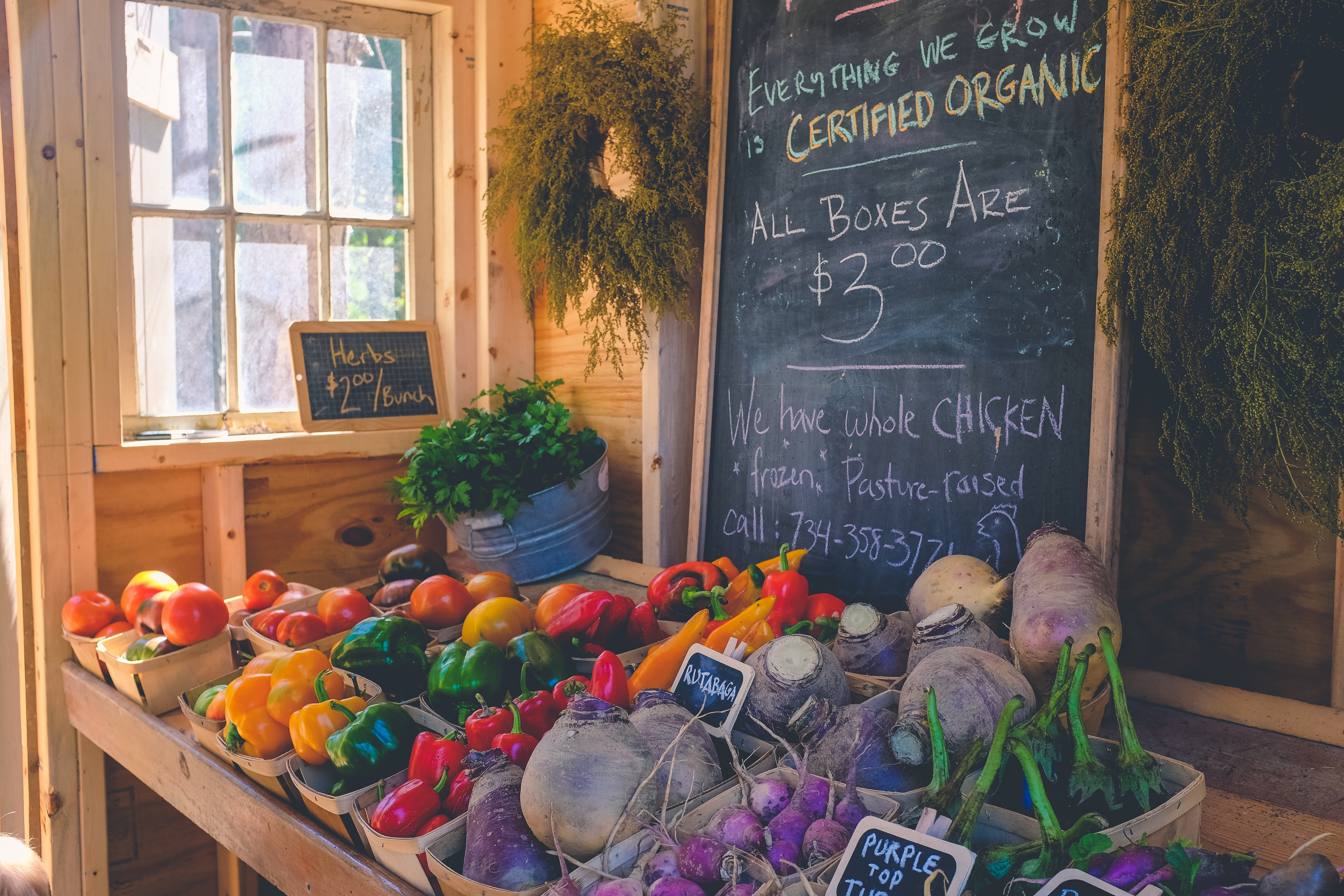
    Luckily, there’s a simple way to know when to buy organic. Every year, the EWG (Environmental Working Group) releases the “Dirty Dozen” and “Clean Fifteen” after studying the test results of USDA, Department of Agriculture, etc.

    What produce should I buy organic?

    The EWG’s Dirty Dozen lists the 12 types of produce that contain the most pesticide residue–and the results can be shocking. 😬

    For example, strawberries have been making the top of the list for years. Not only because of the amount of nasty chemicals used (some banned in Europe) but also because strawberry growers use jaw-dropping amounts of poisonous gas to sterilize their fields before planting strawberries. 🤢

    So yeah. Our family goes organic when it comes to the “Dirty Dozen”—even if that means buying frozen or just growing it ourselves. Here is EWG’s Dirty Dozen for 2020.

    1. Strawberries
    2. Spinach
    3. Kale
    4. Nectarines
    5. Apples
    6. Grapes
    7. Peaches
    8. Cherries
    9. Pears
    10. Tomatoes
    11. Celery
    12. Potatoes

    Even if we can’t get organic, whole fruits and veggies are a way healthier choice than that bag of Cheetos, syrupy packed fruit, or other highly processed foods.

    What produce should I buy non-organic?

    Is going organic always worth the extra cost? Nope.

    For example, in the EWG’s analysis of the USDA’s most recent data, fewer than 2% of samples showed any detectable pesticides. So if you want to save some cash, why pay extra for organic avocados and other clean fifteeners? Here is EWG’s Clean Fifteen for 2020.

    1. Avocados
    2. Sweet corn
    3. Pineapple
    4. Onions
    5. Papaya
    6. Sweet peas (frozen)
    7. Eggplants
    8. Asparagus
    9. Cauliflower
    10. Cantaloupes
    11. Broccoli
    12. Mushrooms
    13. Cabbage
    14. Honeydew melon
    15. Kiwi

    We eat a lot of broccoli (a top anti-cancer food) so I was happy to see it on this year’s clean fifteen! 🙌

    This year’s dirtiest discovery (about a common kid snack)

    The EWG usually just includes fresh fruits and vegetables but since the USDA tested raisins last year (first time since 2007), they decided to include them in their analysis and good thing they did! They discovered a dirty little secret when it comes to raisins.

    99% of non-organic raisins are tainted with at least two chemicals 😬

    Here’s why this is such a big deal. Kids love raisins! You know, that whole “ants on a log” thing?

    And, in 2012, the American Academy of Pediatrics issued an important report saying “children have unique susceptibilities to pesticide residues’ potential toxicity. Research links early life pesticide exposure to pediatric cancers, decreased cognitive function and behavioral problems.”

    Research links early life pesticide exposure to pediatric cancers, decreased cognitive function and behavioral problems.

    American academy of pediatrics

    A Shopper’s Quick Reference Guide

    Cool, so now we know when to go (or forego) buying organic.

    But how are we supposed to remember what’s dirty and what’s clean? Or when our husband—who thinks that the Dirty Dozen is just a 1967 war film—does the grocery shopping?

    Worry not, friends. The EWG came up with handy little wallet card that you can get here.

    And/or you can get one of these delightful and incredibly stylish Health Mama tags that you can attach to your grocery bag for quick, easy reference.

    💚

    You can get the full scoop on the EWG’s 2020 Shopper’s Guide to Pesticides in Produce here. Happy shopping!


  • Coronavirus: A Health Mama’s Simple Guide

    Coronavirus: A Health Mama’s Simple Guide

    Whoa, Nelly! There’s a lot of information out there about the Coronavirus COVID-19 outbreak. It can get a little overwhelming, so I’ve compiled my favorite tips for living a happy, healthy life during this crazy pandemic. 

    Symptoms

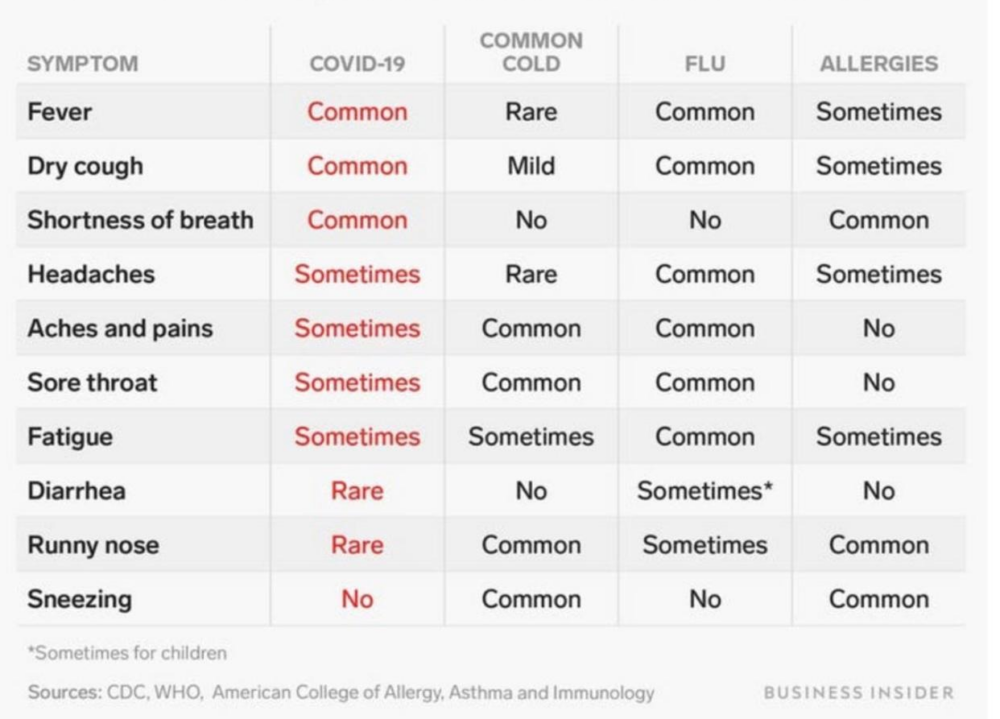
    COVID-19 (aka SARS-CoV-2) is a novel (new) string of the Coronavirus family. Here’s a handy chart of symptoms comparing Covid-19 vs cold, flu, allergies.

    Because it spreads so easily, social distancing is super important to help prevent healthcare system overload and protect lives but if you’re freaking out about the death rate, here’s some good news. An encouraging new study in The Lancet Infectious Diseases estimated that the death rate of all infected will be 0.66%, a little higher than the flu which is 0.1% (kids under 9 have the lowest death rate at 0.00161%).

    Well, that’s a relief. Still, it’s important to take precautions and follow the CDC’s guidelines for everyone’s safety—especially the elderly and those with compromised immune systems.

    Prevention

    While the virus spreads primarily through droplets (generated when an infected person coughs or sneezes) studies suggest coronaviruses may persist on surfaces.

    • Cardboard: 24 hours
    • Plastic/stainless steel: 72 hours

    Cell phones are huge germ carrier so disinfect your phone. 🦠

    Maintain social distancing (6+ feet apart)

    Stay 6 feet apart from others outside the home and wear cloth face coverings in public settings where social distancing might be difficult to maintain (e.g., grocery stores and pharmacies). Here’s how to make one (so we reserve surgical masks for healthcare workers). 😷

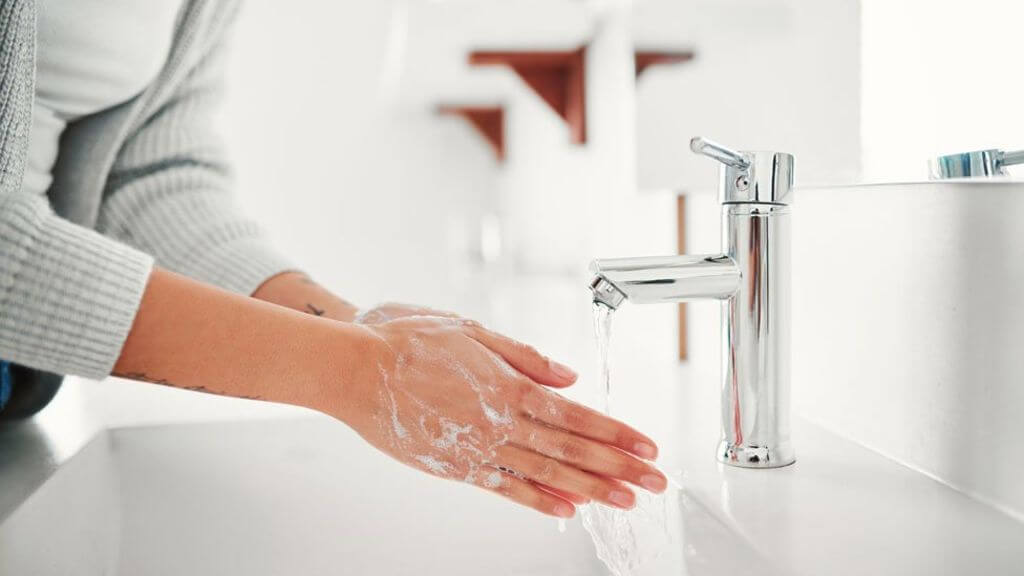
    Wash hands — the right way! 

    This is a great video for kids (and even adults) on how to properly wash your hands and fight germs.

    https://www.youtube.com/watch?v=H2Qj0Nd4RlU&feature=youtu.be

    Hand sanitizer is good to have on-hand when you don’t have the option to wash your hands. Here’s a homemade hand sanitizer recipe using 3 simple ingredients. 

    Mix ingredients and put in container of choice. (refill one of those hand sanitizer containers that clips to your bag or one of those travel shampoo bottles). For higher % alcohol, add more aloe vera (for example, with 91% Isopropyl Alcohol go with 3 parts alcohol, 1 part aloe vera gel).

    Don’t touch your face. 

    (human average is 20 times / hour 😳) 

    Easier said than done, but since viruses mostly enter our bodies through our eyes, nose, and mouth it’s a good time to break this dirty little habit.

    • Post a reminder note while sitting at your desk or watching TV
    • Put something in your hand (carry a tissue or wipe)
    • Add a scent to our hand soap or lotion
    • Don’t resist the urge, just touch something else (like your arm)
    • Keep your hands busy when sitting still (for example, sort mail while watching TV) or interlace your fingers and put them on your lap.

    Boost your immune system. 

    (bonus: also great for cancer prevention)

    • Vitamin C: from supplements or foods like orange, kiwi, lemon, guava, grapefruit, broccoli, cauliflower, brussels sprouts, bell peppers, papaya, cantaloupe, strawberries
    • Vitamin D: either from the sun or supplement (also a top cancer prevention vitamin 😍)
    • Essential Oils: put a few drops of germ fighter and frankincense in your diffuser
    • Don’t Stress: mental stress suppresses our immune system so do whatever helps you stay calm and carry on (meditation, prayer, social media distancing 😉)
    • Eat Healthy: citrus, broccoli, garlic, yogurt, spinach, fish (also top cancer prevention foods)
    • Exercise: 30-60 minutes six days a week, walks, online yoga, rebound to your favorite song.
    • Sleep: Get plenty of rest (have a tech curfew and read before bed)
    • Laugh. If you’ve read our post about laughter, you already know that laughing boosts your immune system. Watch comedies, stand-up.

    Stay Home

    You’d think this #stayhome thing would be a cinch for a homebody like me, but turns out being on lockdown isn’t easy. Here are some of the things that have made it bearable and even downright enjoyable for my family.

    • Be prepared. It’s the scout motto for a reason. Having a simple meal plan and household essentials on-hand is a big help (but please don’t be a hoarder). 
    • Be helpful. There’s a lot of info sharing and “door drop-offs” going on in neighborhoods. Is there something you can do to support someone or brighten their day?
    • Wear PJs all day. Why get dressed if you’re not going out? And ladies, why wear a bra? Freeboobing helps our lymphatic system (that transports infection-fighting white blood cells throughout our body)
    • Have pizza night. Who doesn’t love pizza and a movie on a Friday night? For us, that means a funny movie, veggie cauliflower crust pizza, and yummy organic popcorn (thanks Costco!)
    • Get organized. Use this time to organize, learn, or create something new. I finally got around to organizing my son’s room (because easy access to games, crafts, toys, and puzzles is essential during a lockdown). What have you been wanting to organize, create, or learn?
    • “Homeschooling”. When my son’s school first closed, this was me. Since then, we’ve embraced more of a Montessori style (self-directed) and teaching life skills (cooking, cleaning, laundry). Win-win. 🙌
    • “Me” time. If you’re like me and cherish alone time, schedule time in your day for self-care or uninterrupted time to focus on something you’ve been wanting to do (like write a blog post).
    • “We” time. On “Weekend Wednesday’s” hubby and I typically sit on the terrace at sunset, chat, enjoy a glass of wine and/or some healthy snacks. Do you schedule social time with people you live with or or online? It’s important to connect with other humans.

    The Silver Linings

    Yes, this health crisis is scary and sad but there’s also a whole lot of goodness coming out of this!

    • Record breaking pollution cuts
    • Nature rebalancing
    • Health + wellness focus
    • Appreciation + innovation
    • People sharing, caring, creating

    Our earth will be greener, cleaner. Our gratitude greater. Our world reunited. 💚

    Disclaimer: I am not a health professional. This guide is based on my thoughts and experiences at the time of writing. Please visit Center for Disease Control (CDC) and World Health Organization (WHO) for the latest and greatest.

    If you’d liked this, don’t forget to share and subscribe. Thanks and cheers to your health and happiness! 

  • Cancer Prevention Foods for 2020

    Cancer Prevention Foods for 2020

    There’s a reason a health mama wants her kids to eat their veggies. She knows certain foods pack a powerful punch of vitamins and nutrients that spell a big fat “FAIL” for cancer cells. Evidence shows that specific dietary habits can increase or decrease your risk of the disease. Did you know that simple changes in lifestyle can prevent 30-50% of cancers? Nutrition plays a valuable role in treating and coping with cancer. So, if you’re wanting to prevent or heal, it’s never too late to change your diet. Every year, new discoveries are made. Today, here are some of the top cancer prevention foods you can eat to naturally boost your health.

    Apples 🍎

    There’s something to the saying “an apple a day keeps the doctor away.” A 2010 study found that eating at least one a day reduced the risk of colorectal cancer by 50%. The fruit contains a ton of vitamin C, fiber, and antioxidants. It prevents tumors from growing.

    Broccoli 🥦

    Broccoli is part of the cruciferous vegetable family which is known for cancer-preventing properties. The tiny tree includes nutrients like magnesium, folate, fiber, potassium, and beta carotene. A 2017 study found that people who eat cruciferous vegetables (like broccoli) are found to have a lower risk of bladder cancer. This is due to isothiocyanates that have anti-carcinogenic powers which reduce bladder cancer cells. Not a huge fan? Try it with some lemon or mix it in with other vegetables, like carrots or squash.

    Citrus 🍋

    Citrus fruits have great anti-cancer benefits. Grapefruit is packed with vitamin C, fiber, phytochemicals, flavonoids, and carotenoids (like beta-carotene and lycopene). 17 different studies have found that people who had a higher citrus fruit intake showed a 50% less risk of developing oral cavity and pharyngeal cancer. If you don’t live in an area where fresh fruit is abundantly consider growing your own! (lemon tree, very pretty…) 

    Garlic 🧄

    This powerful food does more than just shoo away vampires. Cancer cells hate it too! The key cancer-fighting properties of garlic include the antibiotic/antifungal compound allicin (which also helps cure SIBO), flavonoids, selenium, and allyl sulfides (both of which help stop or repair damage to DNA caused by cancer cells). A recent meta-analysis study showed that garlic (and other allium vegetables) could help prevents colorectal, stomach, and to some extent, esophageal cancers. Totally worth the bad breath, don’t ya think?

    Carrots 🥕

    Carrots are super high in vitamin A. One large carrot equals 200% of your daily value. It offers a good amount of fiber, carotenoids, and vitamin K. The nutrients in carrots neutralize free radicals to prevent cell proliferation. This means, they  are handy for destroying cancer cells and creating new blood vessels. In fact, a 2018 study found that high carrot intake was associated with a 21% decrease in the risk of breast cancer. Bonus if you eat purple, red, or yellow carrots. They have extra flavonoids or carotenoids. Maybe Bugs Bunny was onto something.

    Legumes 🌯

    These magical beans offer a ton of protein, fiber, and folate. Some of the superstars when it comes to cancer prevention are:

    • Pinto beans
    • Red Kidney beans
    • Red lentils
    • Yellow split peas
    • Black beans
    • Pinto beans
    • Black-eyed peas (Hey, Fergie!)

    Studies have shown countries that eat a diet rich in legumes have lower numbers of colorectal cancer. Legumes provide chemo-preventive mechanisms against colon cancer. They’re also known to reduce cholesterol, decrease blood sugar levels, and increase healthy gut bacteria.

    Berries 🍓

    Berries, such as strawberry, raspberry, blueberry, blackberry are superstars when it comes to cancer prevention. They are extremely high in antioxidants have a wide range of nutritive components. Studies show that eating cherries decreases the markers for oxidative stress, protect us from DNA damage, and inhibition of growth and proliferation of cancer cells. Plus, they’re delicious! Strawberry diaquiri, anyone? 

    Seeds 🌱

    Seeds like pumpkin, flax, chia, and flaxseed pack a ton of nutrients and can easily be put in yogurts, breads, and smoothies. A recent study found that flaxseed oil prevents the growth of cultured malignant breast cancer cells, cervical cancer cells, leukemia cells, and melanoma cells. A great nutrient for the ladies!

    Fatty Fish 🍣

    Even better are omega-3s! A 2018 study on mice exposed to omega-3s found that marine-based omega-3s are 8x more effective at stopping breast tumors from developing compared to flaxseed and other oils. The same study showed omega-3s from fish decreased tumor size by up to 70% and decreased the number of tumors by 30%. Salmon, mackerel, anchovies, and other types of fish are high in omega-3s. At our home, we stock up on cans of sardines for a simple, healthy snack.  Not a huge fan of eating fish? Consider taking a fish oil supplement to reap the benefits of this cancer prevention superfood. Our son loves this Organic lemonade fish oil for kids

    Nuts 🌰

    According to the American Institute for Cancer Research, all nuts fit into a cancer prevention diet but walnuts are most studied. They offer essential fatty acids, vitamin E, and polyphenols. In fact, walnuts are one of the best sources on the planet for polyphenols which fight cancer, cardiovascular and neurodegenerative diseases.

    Tomatoes 🍅

    Don’t pass on that salsa! (unless maybe you have a nightshades sensitivity)! Tomatoes are full of vitamin C, vitamin A (from beta-carotene), and potassium. The fruit part of the vegetable (does that even make sense?) also offers the heart-healthy antioxidant and lycopene. Lab studies show tomato consumption can lower the risks of skin cancer by lessening UV light damage and tumor risk. In 2018, research found that participants who consumed a higher amount of lycopene from tomatoes had a lower risk of stomach cancer. Bonus if you eat cooked tomatoes. It appears to increase the availability of key nutrients. 

    Coffee ☕️

    Another top cancer prevention food is coffee. What’s great is you probably already consume this beverage (at least I do). Coffee has incredible health benefits like riboflavin and a high concentration of antioxidants. One study found that consuming up to four cups of coffee a day can be associated with a 20% reduced endometrial cancer risk and a 24% reduced postmenopausal cancer risk. So, if you’re debating on whether to have that extra cup, just consider it cancer prevention. 😉

    Foods That Elevate Your Risk for Cancer

    Just as there superfoods that can lower our risk, there some archenemies out there that can sabotage our health. Here is a short list to watch out for:

    • Sugar and Refined Foods. Studies show that processed foods that are high in sugar and low in fiber and nutrients have been linked to a higher risk of cancer.
    • Processed Meats. The International Agency for Research on Cancer (IARC) considers processed meat a carcinogen (something that causes cancer).
    • Overcooked Foods. Studies show, cooking foods at high temperatures, such as grilling, broiling, and barbequing, can produce harmful compounds like heterocyclic amines (HA) and advanced glycation end-products (AGEs). Excess amounts play a role in the cause of cancer.
    • Dairy. Several studies have indicated that high dairy consumption could increase the risk of prostate cancer.

    Cancer-Fighting Research

    It is important to note that there isn’t enough evidence to show that just eating these foods alone will prevent cancer. Data isn’t perfect. A lot of cancer-fighting food studies use epidemiology. This is a method where researchers study existing data and the causal links between disease and populations.

    Additionally, many of these tests are performed in a controlled lab environment. That means a lot of testing on mice (not humans). Some research just looks at the nutrient’s effect on cancer cells, rather than the food itself.

    Overall, the foods on this list are a tasty start for any health mama! The more informed you are about what’s on your plate, the more control you’ll have over health.

    Obviously, it’s not a perfect science, but everyone knows a steaming plate of broccoli is always better than a plate of hot dogs. At least when it comes to cancer prevention. 

  • Is laughing good for our health?

    Is laughing good for our health?

    When my husband and I got married, we skipped the prenup and just adopted some unwritten rules to help prevent needing one.

    1. He pours me a glass of champagne on Sunday Fundays
    2. And I (often unsuccessfully) try to make him laugh each day

    I knew laughing had health benefits but I was curious about the science behind it. So, let’s dig in.

    The smallest gentle yoga class.

    Dr. Lee Berk says that laughing should be part of a healthy lifestyle alongside nutrition and exercise. When you get down to the nitty gritty of it, the action of a good laugh is like a teeny tiny gentle yoga class.

    Strong exhalations have a calming effect: they lower one’s heart rate and blood pressure, which reduces stress and anxiety. Robert Provine, another researcher, found that a deep sigh comes with small bursts of laughter.

    Laughing can even give you a taste of what it’s like to be a pro-meditator, as the same frequencies of brain waves that Buddhist monks achieve also pop up when the average person laughs. This is the same area of the brain (the pons) that’s activated when sleeping and breathing deeply.

    Plus, the body goes limp during the act of laughing and muscles relax. The next time you’re laughing a lot, try doing something simple, like sticking out your tongue. (It’s surprisingly hard!)

    A laugh a day keeps the doctor away.

    (Okay okay, this is not an absolute, so don’t go ditching your doc appointment because you think laughing is the cure.)

    Getting a case of the giggles is a way to boost your immune system, as well as the antidote to stress: it suppresses stress-inducing hormones, like cortisol, and releases calming, mood-boosting neurochemicals, like dopamine—-now that’s pretty dope.

    Stress, on the other hand, weakens your immune system and can make you sick.

    Shared laughter bonds us.

    Another benefit that isn’t always discussed is its social nature. Laughter is a very effective way to bond with another person, and believe it or not, has softened folks in conflict resolution. Everything from serious Palestinian-Israeli talks to silly things like hiding your son’s Halloween candy (ok, that’s also pretty serious).

    When people laugh together, they make eye contact, their breathing syncs up, and their relationship (of any kind) becomes just a little more intimate, establishing a new small level of trust.

    Jo-Anne Bachorowski and her colleague Michael Owren suggest that:

    Laughter rewards mutually beneficial exchanges—successful collaborations at work, in the kitchen, in child rearing, with friends. Laughter signals appreciation and shared understanding. Laughter evokes pleasure. Given that each individual has a signature laugh, produced by the particulars of the vocal apparatus, laughs become unique rewards of cooperative exchange, building trust between individuals.

    Bachorowski’s studies point out that laughter probably preceded speech back in the caveman days (add that to your Paleo diet!)

    So it makes sense that laughing is more likely to happen in social situations rather than alone. It is a true human experience.

    Catching a laugh: it’s contagious.

    Speaking of innate human experience!? Like yawning and smiling, laughter is contagious. Our brains can do this cool trick of mirroring what we observing someone else doing.

    For example, if you’re watching a professional dancer, the neurons in your brain light up as if you are dancing too. Laughing has a similar effect on the brain, but in its case, you can’t help but crack a smile.

    Try watching a clip of someone laughing for a long time on YouTube. You’ll likely start laughing yourself at some point, even if you don’t feel like it. That’s why sitcoms use laugh tracks to stimulate the mirror neurons and get us laughing.

    Giving space to play and creativity.

    Last, but certainly not least, laughing is the gateway to play, creativity, and imagination.

    “Developmental psychologists who have studied the pretend play of siblings in the home, or the playful wrestling of parents and children, or the playful exchanges of children on the playground, find that laughter reliably initiates and frames play routines” (Keltner 138).

    It’s an expression of release and joy.

    The punch line.

    The health benefits of laughter are clear.

    • It helps us feel calmer and can be a boost to our immune system.
    • Sharing laughter with others not only bonds people, but it is also lays a path toward conflict resolution.
    • It is a good aid to one’s personal health and healthy relationships. When relationships are loving and playful, laughter surrounds them.
    • And it’s contagious, in the best way possible.

    So, whether you share a laugh with a friend or watch a funny video online, we hope you get your daily dose of giggles today.


    Sources:
    Griffin, R. Morgan. “Laughter: Good For Your Health.” WebMD, WebMD, 10 Apr. 2008, www.webmd.com/balance/features/give-your-body-boost-with-laughter#1.
    Heid, Markham. “Laughing: You Asked Does Laughter Have Real Health Benefits?” Time, Time, 19 Nov. 2014, time.com/3592134/laughing-health-benefits/.
    “Laughter.” Born to Be Good: the Science of a Meaningful Life, by Dacher Keltner, W.W. Norton, 2010, pp. 123–145.

  • 15 Healthy Habits for the New Year

    15 Healthy Habits for the New Year

    New year, same you? That’s not a bad thing! I’m sure you’re pretty great just the way you are, but there’s always room for growth. A new year is a great time to start off with a clean slate and cultivate some new habits that will take you into the next decade. I’m guessing most of us wouldn’t mind having a healthy beach bod, a Bezos-size bank account, and the zen of a Buddhist monk. While healthy habits alone won’t get us there, they can help us feel as complete (well, almost). Here are some healthy habits for the new year and some tips to see them through.

    1) Write things down.

    Juggling all our tasks and appointments might make us feel more like an octopus than a human. Somehow we pull it all off with just two hands, but we only have one brain. Help it out by writing things down.

    Not writing things down leaves a bit of uncertainty in the mind. Your brain is aware that there’s a ton of things to do, but it’s not aware of what they are which can easily lead to anxious thoughts.

    When we write something down, the hippocampus region of the brain takes inventory of it. Future tasks are now tangible items with visual representation in our memory banks. Therefore, we’re more likely to recall the task and complete it. That’s why people who write down their goals are 42% more likely to accomplish them.

    2) Practice self-care. 

    2020 is the year of self-care—-that “me time” when we actually do what’s best for ourselves. Start treating yourself more in the new year. We live such hectic lives, catering to the needs of others that by the time our day comes to an end, we forget to check in with ourselves. The irony is being too selfless can drain our energy and prevent us from giving others the best version of ourselves. So go get that massage, kick back and enjoy a good book, get to that Zumba class, or whatever it is that replenishes your soul. 

    3) Schedule it. 

    Now that you know what your self-care ritual is, get it on your calendar, even if that means getting up earlier. From Elon Musk to Ellen Degeneres, some of the most successful people are early risersGetting up before the interruptions start allows you to get some clear perspective. 

    4) Get more rest. 

    We’ve been told that eight hours of sleep is ideal for optimal functioning. Sometimes that can be hard to do, especially if you have a spouse, kids, work, pets, and an addiction to The Marvelous Mrs Maisel. So, let’s find a happy compromise. Try to get at least seven hours of shut-eye.

    If you’re having trouble sleeping, consider natural remedies vs medicinal drugs. Some pharmaceuticals contain non-steroidal inflammatory drugs (NSAIDs). Research shows that long-term use of NSAIDs increased the “risk of dying from endometrial cancer among a cohort of more than 4,000 patients.” 

    Oh, and try giving your phone a rest at least an hour before bed. Blue light rays from your phone disrupt melatonin production. Read a book instead or at least get yourself a stylish pair of blue light blocking glasses

    5) Unplug.

    Speaking of phones…did you know that, on average, a person will check their phone 52 times in a day? Consider spending less time with your phone. Time block your phone browsing and then put it somewhere out of sight. Then use that extra time you have to do the things that genuinely matter (see #2).

    6) Meditate

    Research shows that meditation is a useful tool for lowering cortisol levels. When we’re under immense stress, our body secretes this hormone to trigger the immune system. 

    Naturally, the immune system’s first line of defense is inflammation. Chronic inflammation makes it easier for free radicals to become squatters in your system. The best way to evict them is to lower cortisol levels through meditation. 

    That means meditation not only clears the mind, but it helps fight the spread of disease. In other words, meditating is one of the cheapest forms of cancer prevention out there. It’s absolutely free!

    Start with five minutes per day. Pay attention to your breath. Actively think about inhaling and exhaling as you do. Every time your mind drifts, go back to the rhythmic flow. Before you know it, five will become 10, and you’ll feel calmer.  

    7) Cut the frap (out of your coffee).

    Did you know coffee has health benefits? It’s rich in antioxidants, making it good for cancer prevention. It also helps us focus, boosts our brain function, and is a great tool for diabetes prevention. Well, that is, if we stop overdressing our coffee with all the extras.

    We sometimes treat our Venti like an all-you-can-eat buffet. After all the milk, chocolate syrup, caramel drizzle, and whipped cream, you hardly have any room for coffee. Instead of a caffeine buzz, we’re running on a sugar high!

    Over time, the refined sugars, artificial sweeteners, and fatty creamers we add to our beverages start to build up plaques in the arteries. Once heart-healthy, coffee now becomes the very thing that’s causing cardiovascular disease!

    8) Go to the doctor.

    You know the saying: An ounce of prevention is worth a pound of cure. Many of us are guilty of putting off doctor’s visits 🙋‍♀️ but these checkups are essential for optimal health. Especially when it comes to cancer prevention. Make sure you regularly get a physical and blood tests. Find a functional medicine doctor that takes a holistic look at your health and helps you get to the root cause of any issues. Also, keep up with other important health practitioners like your dentist because a cleaning is way more fun than getting a filling. 

    9) Try supplements.

    When visiting the doc, ask about all-natural supplements. According to the Centers for Disease Control (CDC), over 47 million unnecessary antibiotic prescriptions are written every day. Just imagine how many other scripts are handed out prematurely, as well. There are so many natural supplements that may eliminate or prolong the need for pharmaceuticals without the negative side effects. For instance, turmeric curcumin is an excellent supplement for promoting heart health. 

    10) Do Good. Feel Good.

    Volunteering helps you put life into perspective. It makes all of the woes you experience day in and day out feel so small. There are millions of humans and animals that need support. Be that system for them in 2020. Carve some time out of your schedule to give back to the community. You will feel a sense of fulfillment like nothing else in the world. 

    11) Stay in touch (with loved ones).

    While 2020 is all about putting yourself first, don’t forget the ones who brought you to the dance. It’s important for us all to have a good support system. Send a text to someone you care about. Even better, FaceTime them or invite them over for coffee or a glass of wine! Make time for those who matter. You never know when they’ll need you, and vice versa. 

    12) Invest money.

    We all need to be thinking about retirement. We’re not meant to work forever. It may seem like a long way down the road, but the earlier you start the bigger your nest egg will be (thanks to compound interest). 

    If you work for a company that matches your 401k contributions, put in at least what they’ll match. Not good at saving? Consider automating with apps like Acorns or Stash and watch your savings build up over time without having to lift a finger! 

    13) Go outside more.

    Nature is healing. Unfortunately, we don’t get enough of it. We spend the majority of our day in our home or office around germs and other indoor air toxins. Cleanse your lungs and step outside.

    Over one billion people have a Vitamin D deficiency. Vitamin D is a catalyst for so many molecule functions. Low levels can cause several problems, including mental health issues. This essential mineral is mostly provided by the sun. So, make time to go outside and get some quality time in with the sun!

    14) Let it go.

    Is there something from 2019 that didn’t serve you well? Bad health habits? Toxic relationships? Follow Elsa’s lead and let it go. Consider eliminating or distancing yourself from the things in your life that are holding you back or bringing you down. Let go of any bitterness or grudges. Forgiveness has a ton of health benefits…

    • Healthier relationships.
    • Improved mental health.
    • Less anxiety, stress and hostility.
    • Lower blood pressure.
    • Fewer symptoms of depression.
    • A stronger immune system.
    • Improved heart health.
    • Improved self-esteem.

    15) Start using essential oils. 

    Essential oils…ahhhh, they smell good and can help us feel good too. These pleasant scents are made possible by molecules called terpenes. Fortunately, terpenes also come with a load of health benefits. 

    People use essential oils for everything from lifting their mood, to easing stomach pains, to purifying the air. Many of these essential oils are antibacterial, antimicrobial, and anti-inflammatory. So, get a diffuser and mix and match with scents. You’ll be energized and ready to crush it in 2020.

    New year, fresh start. Let’s do this!