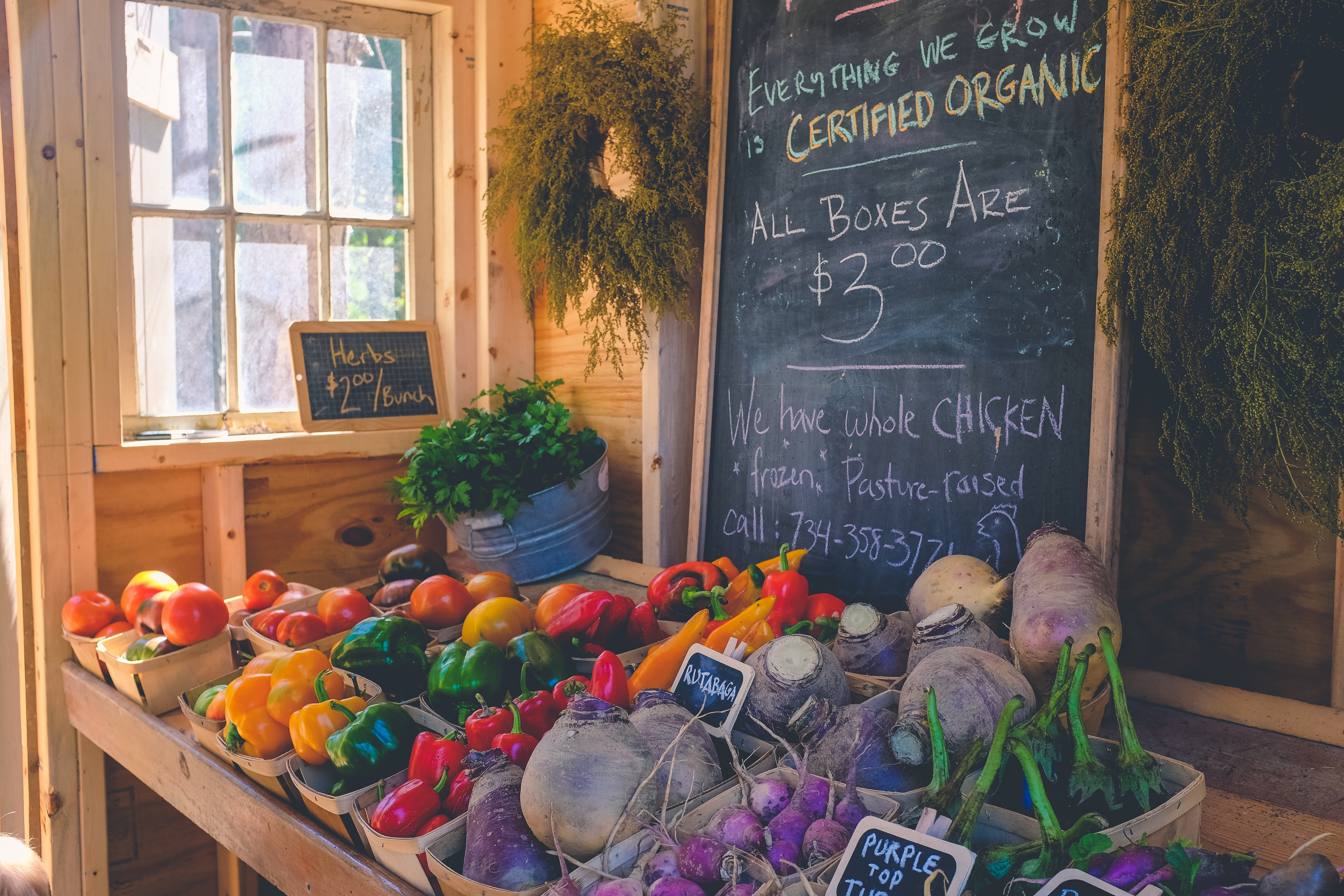
Ever wonder what organic produce you should buy? Or how to eat organic without eating up your budget? The answers to these questions might be simpler than you think. 🤔
Is buying organic important?
You probably already know that organic food significantly reduces your exposure to potentially toxic pesticides. You might even know that it’s linked to a bunch of benefits including better taste, improved fertility / birth outcomes, lower BMI, and a better environment.
But here’s the biggie. Studies show there’s a link between chemical pesticides and cancer. So if cancer prevention is important to you, then yes, buying organic is important too.
Of course, this can get expensive and organic produce can sometimes be harder to find than Waldo.
Luckily, there’s a simple way to know when to buy organic. Every year, the EWG (Environmental Working Group) releases the “Dirty Dozen” and “Clean Fifteen” after studying the test results of USDA, Department of Agriculture, etc.
What produce should I buy organic?
The EWG’s Dirty Dozen lists the 12 types of produce that contain the most pesticide residue–and the results can be shocking. 😬
For example, strawberries have been making the top of the list for years. Not only because of the amount of nasty chemicals used (some banned in Europe) but also because strawberry growers use jaw-dropping amounts of poisonous gas to sterilize their fields before planting strawberries. 🤢
So yeah. Our family goes organic when it comes to the “Dirty Dozen”—even if that means buying frozen or just growing it ourselves. Here is EWG’s Dirty Dozen for 2020.
- Strawberries
- Spinach
- Kale
- Nectarines
- Apples
- Grapes
- Peaches
- Cherries
- Pears
- Tomatoes
- Celery
- Potatoes
Even if we can’t get organic, whole fruits and veggies are a way healthier choice than that bag of Cheetos, syrupy packed fruit, or other highly processed foods.
What produce should I buy non-organic?
Is going organic always worth the extra cost? Nope.
For example, in the EWG’s analysis of the USDA’s most recent data, fewer than 2% of samples showed any detectable pesticides. So if you want to save some cash, why pay extra for organic avocados and other clean fifteeners? Here is EWG’s Clean Fifteen for 2020.
- Avocados
- Sweet corn
- Pineapple
- Onions
- Papaya
- Sweet peas (frozen)
- Eggplants
- Asparagus
- Cauliflower
- Cantaloupes
- Broccoli
- Mushrooms
- Cabbage
- Honeydew melon
- Kiwi
We eat a lot of broccoli (a top anti-cancer food) so I was happy to see it on this year’s clean fifteen! 🙌
This year’s dirtiest discovery (about a common kid snack)
The EWG usually just includes fresh fruits and vegetables but since the USDA tested raisins last year (first time since 2007), they decided to include them in their analysis and good thing they did! They discovered a dirty little secret when it comes to raisins.
99% of non-organic raisins are tainted with at least two chemicals 😬
Here’s why this is such a big deal. Kids love raisins! You know, that whole “ants on a log” thing?
And, in 2012, the American Academy of Pediatrics issued an important report saying “children have unique susceptibilities to pesticide residues’ potential toxicity. Research links early life pesticide exposure to pediatric cancers, decreased cognitive function and behavioral problems.”
Research links early life pesticide exposure to pediatric cancers, decreased cognitive function and behavioral problems.
American academy of pediatrics
A Shopper’s Quick Reference Guide
Cool, so now we know when to go (or forego) buying organic.
But how are we supposed to remember what’s dirty and what’s clean? Or when our husband—who thinks that the Dirty Dozen is just a 1967 war film—does the grocery shopping?
Worry not, friends. The EWG came up with handy little wallet card that you can get here.
And/or you can get one of these delightful and incredibly stylish Health Mama tags that you can attach to your grocery bag for quick, easy reference.
💚
You can get the full scoop on the EWG’s 2020 Shopper’s Guide to Pesticides in Produce here. Happy shopping!