Did you know September is childhood cancer awareness month? Cancer remains the #1 cause of death by disease for children in America and a child is diagnosed with cancer every 3 minutes worldwide. While we’ve made great progress in terms of treatment, children’s cancer rates have been steadily increasing. (1)
As a mama, I find these facts particularly disturbing and heartbreaking. So this month, we’re taking a look at what might be causing childhood cancer and what we, as parents (or parents-to-be), can do about it.
Why do kids get cancer?
Chances are your child will not get cancer, but it does happen.
The causes of pediatric cancer are not completely understood. While adult cancers are often linked to lifestyle or environmental factors, it’s still unclear what causes cancer in children. Partly because pediatric cancer is rare and partly because it’s difficult to determine what a child may have been exposed to before birth and in early development.
We do know approximately 10% of children with cancer develop the disease because they inherited a genetic mutation. Even though there’s nothing we can do to prevent this, we can make ourselves aware of childhood cancer signs & symptoms to increase the chances of early detection and recovery.
Of course, the best path is prevention.
Just as we put our child in a car seat and keep a watchful eye on them so they don’t get hurt, it’s important to educate ourselves on things we can do to prevent childhood cancer.
Preventing Childhood Cancer
There’s plenty of research now that suggests there are things we can do early on in a child’s life to help prevent cancer–YAY!
Is it always easy? No, but it’s definitely easier than seeing an innocent child suffer from this life-threatening disease. Let’s take a look at some simple ways we can reduce the risk.
- Have a healthy pregnancy. Good nutrition is vital for all life stages, but adequate nutrition during pregnancy is crucial. Research shows that mothers eating the right amounts of fruits and vegetables, avoiding nitrates, and supplementing with folic acid, can reduce childhood leukemia and neuroblastoma. (2) Breastfeeding (ideally 9+ months) helps build the child’s immune system to help protect them from cancer cells.
- Don’t smoke. Then, of course, there is tobacco smoke. Did you know that smoke from cigarettes contains more than 60 cancer-causing compounds? (3) Second-hand smoke is damaging to children. Kids with parents that smoke have a greater chance of becoming an addicted smoker later in life, so let’s set a good example.
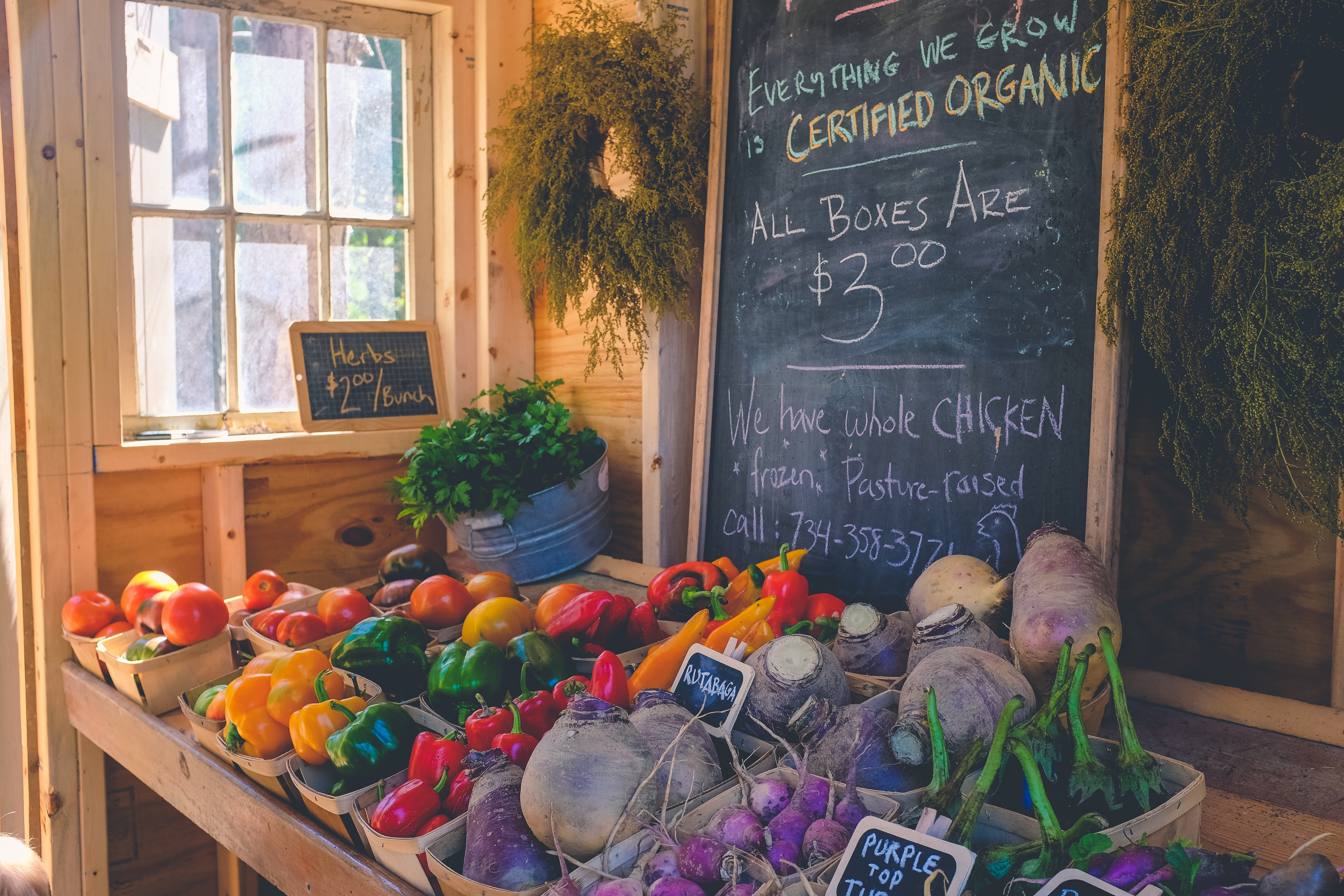
- Serve fruits and vegetables. A healthy diet with lots of fiber, greens, and fruit is an important part of cancer prevention. It helps remove harmful chemicals, prevents and repairs cell damage, and blocks the formation of cancer. On the other hand, some foods have been linked to childhood cancer. Avoid smoked or processed meat like bacon, sausage, ham, lunchmeat, and hot dogs that contain nitrates. (4) Eat whole foods and limit processed food, red meat, sugar, salt, and dairy.
- Don’t be a neat freak. Too much antibacterial soap and sterilized food and environments can weaken a child’s immune system. Growing bodies need fresh food and an outdoor lifestyle to catch minor illnesses in order to develop an effective immune system. Children brought up on farms or with pets are known to have stronger immune systems which help prevent the growth and spread of cancer cells.
- Avoid sunburns. A bit of sun during non-peak hours is a great source of Vitamin D but too much can be damaging and increase the risk of skin cancer. To avoid sunburns during peak hours (UV rays are strongest between 10 am-4 pm): seek shade, apply non-toxic sunscreen, put on a hat that shades their face, and use protective swim shirts.
- Encourage exercise and healthy weight. Physical activity helps with detox, stabilizes hormones, and is known to decrease incidences of cancer. Activities like watching TV or playing computer games are less likely to get their lymphatic system going and oxygenate their blood. An active lifestyle also helps prevent obesity—another health challenge linked to various types of cancers. According to Dr. Paul Rogers, a pediatric oncologist at British Columbia Children’s Hospital states that childhood leukemia has a poorer prognosis in both malnourished and obese children. (5) So let’s keep our children active and well-nourished.
- Limit exposure to toxic chemicals. Indoor pesticides can cause childhood cancers like lymphoma and leukemia (6) be aware of chemicals you might be exposed to at work and bringing home on your clothes (such as arsenic, benzene, asbestos). Be mindful of toxic chemicals in household products such as lice shampoos, garden sprays, flea collars. Eat organic if possible and reduce your kid’s exposure to solvents, paints, lead. The best bet is to buy all-natural cleaning products and look carefully at what’s in other household items (ie BPA). Be mindful of air pollution too. Research links children being exposed to pollution from cars with leukemia. (7)
- Avoid radiation and limit screen time. Radiation is a well-known cause of cancer and it accumulates so limit the amount of radiation used during certain medical tests (ie CT scans) or consider safer alternatives (ie MRI). Mobile devices (phones, tablets, etc) also emit levels of radiation that aren’t good for children’s thinner skulls, developing brains and nervous systems. Turn off WIFI at night if possible and don’t let them play with mobile devices or computers for hours. I know it’s tempting (especially during a pandemic) but is it worth risking their long-term health?
- Limit antibiotics and mercury. Antibiotics kill off friendly bacteria in our gut needed for a strong immune system. Mercury-based vaccines and dental fillings can be harmful. Sure, the amount may be small but so are our babies’ bodies. As parents, it’s important to educate ourselves on potential health risks and alternatives.
- Avoid certain infections. Infections cause chronic inflammation and suppress the immune system. Hep B and Hep C can increase cancer risk so let’s teach our older kids about the possibility of catching a virus through unprotected sex and needles (drug use, tattoos) before it’s too late.
- Provide a happy home. Emotional health is just as important as physical health. Creating safe, stable, nurturing relationships and environments for our children is an important part of preventing cancer. Protect them from adverse childhood experiences and remember to have fun! Laughter has great health benefits. Avoid making children feel guilty or chronically stressed which can suppress their immune system and its ability to fight off the bad guys.
Not all cancer is preventable, but giving our children a healthy start dramatically reduces their cancer risk throughout their lives! And in a world of increasing cancer rates, that’s one of the best things we can do for them.
💚
Works Cited
- Kriebel, David, et al. “Environmental and Economic Strategies for Primary Prevention of Cancer in Early Life.” American Academy of Pediatrics, 1 Nov. 2016
- Goh, Y Ingrid, et al. “Prenatal Multivitamin Supplementation and Rates of Congenital Anomalies: a Meta-analysis.” PubMed, Journal of Obstetrics and Gynaecology Canada
- Parkin, DM. “2. Tobacco-attributable Cancer Burden in the U.K. in 2010.” British Journal of Cancer
- Peters, John M., et al. “Processed Meats and Risk of Childhood Leukemia (California, USA).” Cancer Causes & Control
- Rogers, Dr. Paul. “Cancer Prevention Must Begin in Pregnancy and Childhood.” World Cancer Research Fund International
- Chen, Mei, et al. “Residential Exposure to Pesticide During Childhood and Childhood Cancers: A Meta-Analysis.” American Academy of Pediatrics
- Boothe, Vickie L. “Residential Traffic Exposure and Childhood Leukemia: A Systematic Review and Meta-analysis
Photo by Robert Collins