Category: Nutrition

  • Best Things to Buy at Costco

    Best Things to Buy at Costco

    Oh Costco, how do I love thee? Let me count the ways.

    Sure, at times it can be hard dealing with your many other lovers. And yes, our time together ends up costing me way more than I bargained for. Yet I keep coming back to you. I mean, where else can I get the satisfaction of organic, healthy food at bargain prices? Nowhere.

    Luckily I know that with a little planning (avoiding weekend dates) and restraint (just stick to the list, girl!), our beautiful relationship can continue to thrive.

    (Product availability may vary by season and location.)

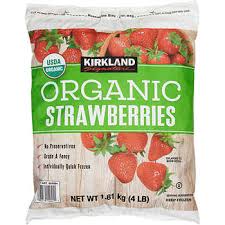
    1. Kirkland Organic Strawberries

    Strawberries are #1 on the dirty dozen list, but fresh organic strawberries can be hard to find so we buy them frozen. Did you know frozen fruits are just as nutritious as fresh? We put them in smoothies, make homemade jam, put them on pancakes. We also get the Organic Wild Blueberries for the same reasons. Great for baking too. BTW, have you met The Blueberry Crumble?
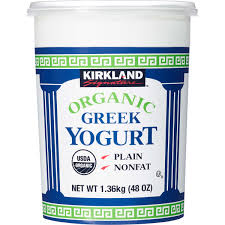
    2. Kirkland Organic Greek Yogurt

    Speaking of berries, one of my favorite memories of Spain as a kid was waking up and going to get fresh strawberry yogurt with my cousins. Unlike some, this yogurt doesn’t have added sugar and has live cultures / probiotics that are good for our gut microbiom. It’s a healthier alternative to sour cream and when we’re feeling fancy, we mix it with berries and granola for a yummy breakfast parfait. We also reuse the container – perfect for freezing broths and soups.
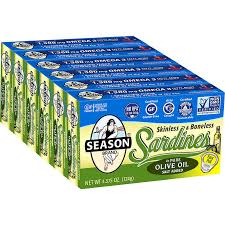
    3. Season Sardines

    Brain boosting Omega-3’s without the toxic mercury found in Tuna? Yes please! 🙋‍♀️ My son loves opening these little packs and I love that they’re sustainable and wild caught. They’re a great tuna substitute in tuna fish sandwiches or a quick snack straight out of the can (and then save the oil for salad dressing). We also like to stock up on these just in case of a hurricane and/or major power outage.
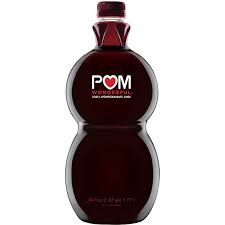
    4. Pom Wonderful Pomegranate Juice

    It IS wonderful! 100% pomegranate juice full of antioxidants. No added sugar and POM has potassium—an electrolyte that helps maintain muscle function. Every 8oz serving packs as much as the average banana. Potassi-yum (their words, not mine). We usually add ice and dilute it with Pellegrino for a refreshing, sparkling beverage. Potassi-yum, indeed. Speaking of Pellegrino…
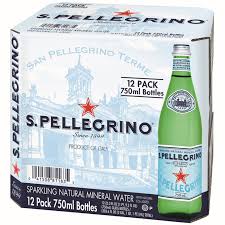
    5. S. Pellegrino

    It’s not just for fancy folks anymore. S.Pellegrino has come from a natural spring at the foothills of the Italian Alps for over 600 years! It’s bottled at the source and doesn’t undergo any treatment, except for natural carbonation used to preserve the minerals. My hubby drinks this A LOT so buying it by the case makes sense for us. It comes in large glass bottles (we try to avoid buying plastic) and it’s HEAVY so he usually makes the Costco runs. Win-win. 😉
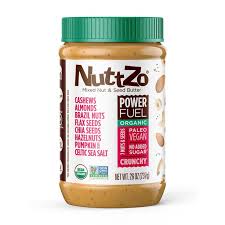
    6. Nuttzo Butter

    Yep, we are nuts about Nuttzo. It’s not cheap but it’s loaded with healthy, organic seeds and nuts. We add it to smoothies, use it for PB&J sandwiches, spread it on crackers and apple slices. And we’ve been known to eat the last few spoonfuls straight out of the jar. It’s not cheap but I love that it’s made in our hometown (San Diego) and is helping neglected children around the world. Go Nuttzo!
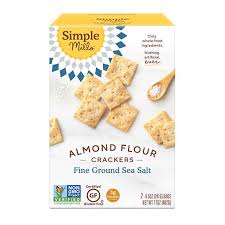
    7. Sea Salt Almond Flour Crackers

    Running low on these addictive crackers is what typically triggers a trip to Costco. They’re made with a wholesome blend of almond flour, sunflower seeds, and flax seeds. They’re non-GMO and certified Gluten-free. We also stock up on the Crunchmaster Multi-Grain Baked Crackers for when we’re craving a bit more of a crunch or for scooping up hummus. Speaking of hummus…
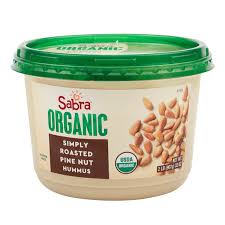
    8. Sabra Roasted Pine Nut Hummus

    Organic hummus is expensive and hard to find so getting this big ol’ tub at a reasonable price is a no-brainer. Research shows hummus and its ingredients can help fight inflammation, improve blood sugar control, digestive health, and lower heart disease risk. It’s a great plant-based protein for dipping veggies and crackers.
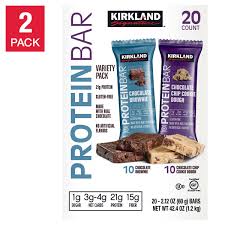
    9. Kirkland Protein Bar

    Costco has a ton of snack bars so I invested some time reading all the ingredients and these seemed the healthiest to me. During a pandemic, I’m not above bribing my 7-year-old son to exercise in between his “distanced learning” classes.

    Me: Hey, want to go for a walk?
    Him: Nah.
    Me: How about we have one of these protein bars while we walk?
    Him: Okay! Can I have the chocolate brownie one?
    Me: Done.
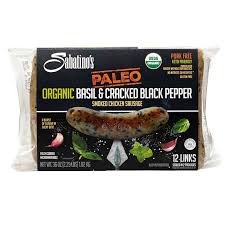
    10. Sabatino’s Organic Basil and Cracked Black Pepper Chicken Sausage

    I used to love sausage but the thought of eating animal intestines stuffed with pork started to gross me out. I was overjoyed when my hubby came home with these beauties. Not only do they have plant-based casings, they’re certified organic which is kind of a big deal when it comes to chicken. We like to roast these in the toaster oven along with some veggies for a quick, delicious dinner. I bet they’d be great on the grill too.
  • What fruits and vegetables should you buy organic?

    What fruits and vegetables should you buy organic?

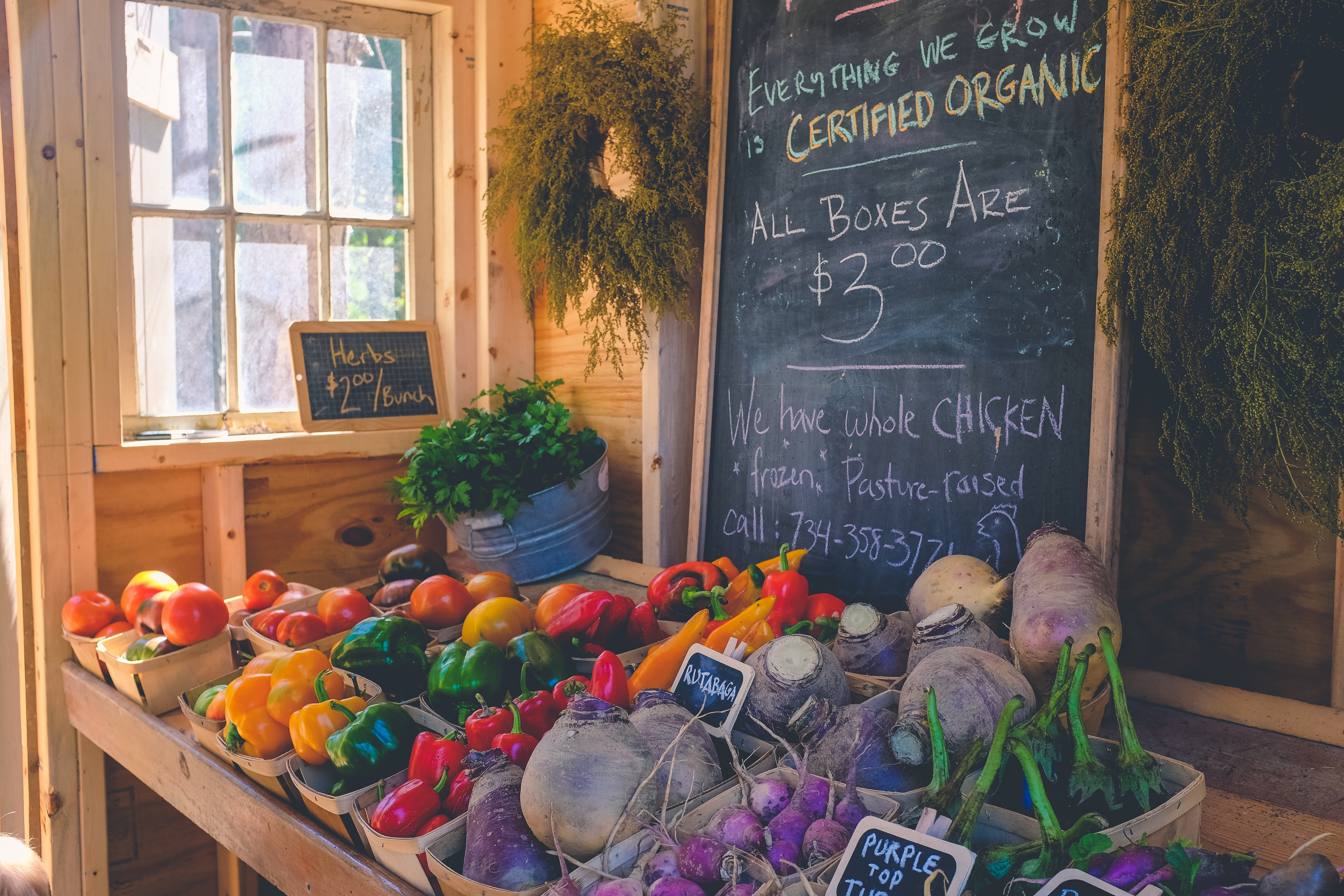
    Ever wonder what organic produce you should buy? Or how to eat organic without eating up your budget? The answers to these questions might be simpler than you think. 🤔

    Is buying organic important?

    You probably already know that organic food significantly reduces your exposure to potentially toxic pesticides. You might even know that it’s linked to a bunch of benefits including better taste, improved fertility / birth outcomes, lower BMI, and a better environment.

    But here’s the biggie. Studies show there’s a link between chemical pesticides and cancer. So if cancer prevention is important to you, then yes, buying organic is important too.

    Of course, this can get expensive and organic produce can sometimes be harder to find than Waldo.

    Luckily, there’s a simple way to know when to buy organic. Every year, the EWG (Environmental Working Group) releases the “Dirty Dozen” and “Clean Fifteen” after studying the test results of USDA, Department of Agriculture, etc.

    What produce should I buy organic?

    The EWG’s Dirty Dozen lists the 12 types of produce that contain the most pesticide residue–and the results can be shocking. 😬

    For example, strawberries have been making the top of the list for years. Not only because of the amount of nasty chemicals used (some banned in Europe) but also because strawberry growers use jaw-dropping amounts of poisonous gas to sterilize their fields before planting strawberries. 🤢

    So yeah. Our family goes organic when it comes to the “Dirty Dozen”—even if that means buying frozen or just growing it ourselves. Here is EWG’s Dirty Dozen for 2020.

    1. Strawberries
    2. Spinach
    3. Kale
    4. Nectarines
    5. Apples
    6. Grapes
    7. Peaches
    8. Cherries
    9. Pears
    10. Tomatoes
    11. Celery
    12. Potatoes

    Even if we can’t get organic, whole fruits and veggies are a way healthier choice than that bag of Cheetos, syrupy packed fruit, or other highly processed foods.

    What produce should I buy non-organic?

    Is going organic always worth the extra cost? Nope.

    For example, in the EWG’s analysis of the USDA’s most recent data, fewer than 2% of samples showed any detectable pesticides. So if you want to save some cash, why pay extra for organic avocados and other clean fifteeners? Here is EWG’s Clean Fifteen for 2020.

    1. Avocados
    2. Sweet corn
    3. Pineapple
    4. Onions
    5. Papaya
    6. Sweet peas (frozen)
    7. Eggplants
    8. Asparagus
    9. Cauliflower
    10. Cantaloupes
    11. Broccoli
    12. Mushrooms
    13. Cabbage
    14. Honeydew melon
    15. Kiwi

    We eat a lot of broccoli (a top anti-cancer food) so I was happy to see it on this year’s clean fifteen! 🙌

    This year’s dirtiest discovery (about a common kid snack)

    The EWG usually just includes fresh fruits and vegetables but since the USDA tested raisins last year (first time since 2007), they decided to include them in their analysis and good thing they did! They discovered a dirty little secret when it comes to raisins.

    99% of non-organic raisins are tainted with at least two chemicals 😬

    Here’s why this is such a big deal. Kids love raisins! You know, that whole “ants on a log” thing?

    And, in 2012, the American Academy of Pediatrics issued an important report saying “children have unique susceptibilities to pesticide residues’ potential toxicity. Research links early life pesticide exposure to pediatric cancers, decreased cognitive function and behavioral problems.”

    Research links early life pesticide exposure to pediatric cancers, decreased cognitive function and behavioral problems.

    American academy of pediatrics

    A Shopper’s Quick Reference Guide

    Cool, so now we know when to go (or forego) buying organic.

    But how are we supposed to remember what’s dirty and what’s clean? Or when our husband—who thinks that the Dirty Dozen is just a 1967 war film—does the grocery shopping?

    Worry not, friends. The EWG came up with handy little wallet card that you can get here.

    And/or you can get one of these delightful and incredibly stylish Health Mama tags that you can attach to your grocery bag for quick, easy reference.

    💚

    You can get the full scoop on the EWG’s 2020 Shopper’s Guide to Pesticides in Produce here. Happy shopping!


  • Cancer Prevention Foods for 2020

    Cancer Prevention Foods for 2020

    There’s a reason a health mama wants her kids to eat their veggies. She knows certain foods pack a powerful punch of vitamins and nutrients that spell a big fat “FAIL” for cancer cells. Evidence shows that specific dietary habits can increase or decrease your risk of the disease. Did you know that simple changes in lifestyle can prevent 30-50% of cancers? Nutrition plays a valuable role in treating and coping with cancer. So, if you’re wanting to prevent or heal, it’s never too late to change your diet. Every year, new discoveries are made. Today, here are some of the top cancer prevention foods you can eat to naturally boost your health.

    Apples 🍎

    There’s something to the saying “an apple a day keeps the doctor away.” A 2010 study found that eating at least one a day reduced the risk of colorectal cancer by 50%. The fruit contains a ton of vitamin C, fiber, and antioxidants. It prevents tumors from growing.

    Broccoli 🥦

    Broccoli is part of the cruciferous vegetable family which is known for cancer-preventing properties. The tiny tree includes nutrients like magnesium, folate, fiber, potassium, and beta carotene. A 2017 study found that people who eat cruciferous vegetables (like broccoli) are found to have a lower risk of bladder cancer. This is due to isothiocyanates that have anti-carcinogenic powers which reduce bladder cancer cells. Not a huge fan? Try it with some lemon or mix it in with other vegetables, like carrots or squash.

    Citrus 🍋

    Citrus fruits have great anti-cancer benefits. Grapefruit is packed with vitamin C, fiber, phytochemicals, flavonoids, and carotenoids (like beta-carotene and lycopene). 17 different studies have found that people who had a higher citrus fruit intake showed a 50% less risk of developing oral cavity and pharyngeal cancer. If you don’t live in an area where fresh fruit is abundantly consider growing your own! (lemon tree, very pretty…) 

    Garlic 🧄

    This powerful food does more than just shoo away vampires. Cancer cells hate it too! The key cancer-fighting properties of garlic include the antibiotic/antifungal compound allicin (which also helps cure SIBO), flavonoids, selenium, and allyl sulfides (both of which help stop or repair damage to DNA caused by cancer cells). A recent meta-analysis study showed that garlic (and other allium vegetables) could help prevents colorectal, stomach, and to some extent, esophageal cancers. Totally worth the bad breath, don’t ya think?

    Carrots 🥕

    Carrots are super high in vitamin A. One large carrot equals 200% of your daily value. It offers a good amount of fiber, carotenoids, and vitamin K. The nutrients in carrots neutralize free radicals to prevent cell proliferation. This means, they  are handy for destroying cancer cells and creating new blood vessels. In fact, a 2018 study found that high carrot intake was associated with a 21% decrease in the risk of breast cancer. Bonus if you eat purple, red, or yellow carrots. They have extra flavonoids or carotenoids. Maybe Bugs Bunny was onto something.

    Legumes 🌯

    These magical beans offer a ton of protein, fiber, and folate. Some of the superstars when it comes to cancer prevention are:

    • Pinto beans
    • Red Kidney beans
    • Red lentils
    • Yellow split peas
    • Black beans
    • Pinto beans
    • Black-eyed peas (Hey, Fergie!)

    Studies have shown countries that eat a diet rich in legumes have lower numbers of colorectal cancer. Legumes provide chemo-preventive mechanisms against colon cancer. They’re also known to reduce cholesterol, decrease blood sugar levels, and increase healthy gut bacteria.

    Berries 🍓

    Berries, such as strawberry, raspberry, blueberry, blackberry are superstars when it comes to cancer prevention. They are extremely high in antioxidants have a wide range of nutritive components. Studies show that eating cherries decreases the markers for oxidative stress, protect us from DNA damage, and inhibition of growth and proliferation of cancer cells. Plus, they’re delicious! Strawberry diaquiri, anyone? 

    Seeds 🌱

    Seeds like pumpkin, flax, chia, and flaxseed pack a ton of nutrients and can easily be put in yogurts, breads, and smoothies. A recent study found that flaxseed oil prevents the growth of cultured malignant breast cancer cells, cervical cancer cells, leukemia cells, and melanoma cells. A great nutrient for the ladies!

    Fatty Fish 🍣

    Even better are omega-3s! A 2018 study on mice exposed to omega-3s found that marine-based omega-3s are 8x more effective at stopping breast tumors from developing compared to flaxseed and other oils. The same study showed omega-3s from fish decreased tumor size by up to 70% and decreased the number of tumors by 30%. Salmon, mackerel, anchovies, and other types of fish are high in omega-3s. At our home, we stock up on cans of sardines for a simple, healthy snack.  Not a huge fan of eating fish? Consider taking a fish oil supplement to reap the benefits of this cancer prevention superfood. Our son loves this Organic lemonade fish oil for kids

    Nuts 🌰

    According to the American Institute for Cancer Research, all nuts fit into a cancer prevention diet but walnuts are most studied. They offer essential fatty acids, vitamin E, and polyphenols. In fact, walnuts are one of the best sources on the planet for polyphenols which fight cancer, cardiovascular and neurodegenerative diseases.

    Tomatoes 🍅

    Don’t pass on that salsa! (unless maybe you have a nightshades sensitivity)! Tomatoes are full of vitamin C, vitamin A (from beta-carotene), and potassium. The fruit part of the vegetable (does that even make sense?) also offers the heart-healthy antioxidant and lycopene. Lab studies show tomato consumption can lower the risks of skin cancer by lessening UV light damage and tumor risk. In 2018, research found that participants who consumed a higher amount of lycopene from tomatoes had a lower risk of stomach cancer. Bonus if you eat cooked tomatoes. It appears to increase the availability of key nutrients. 

    Coffee ☕️

    Another top cancer prevention food is coffee. What’s great is you probably already consume this beverage (at least I do). Coffee has incredible health benefits like riboflavin and a high concentration of antioxidants. One study found that consuming up to four cups of coffee a day can be associated with a 20% reduced endometrial cancer risk and a 24% reduced postmenopausal cancer risk. So, if you’re debating on whether to have that extra cup, just consider it cancer prevention. 😉

    Foods That Elevate Your Risk for Cancer

    Just as there superfoods that can lower our risk, there some archenemies out there that can sabotage our health. Here is a short list to watch out for:

    • Sugar and Refined Foods. Studies show that processed foods that are high in sugar and low in fiber and nutrients have been linked to a higher risk of cancer.
    • Processed Meats. The International Agency for Research on Cancer (IARC) considers processed meat a carcinogen (something that causes cancer).
    • Overcooked Foods. Studies show, cooking foods at high temperatures, such as grilling, broiling, and barbequing, can produce harmful compounds like heterocyclic amines (HA) and advanced glycation end-products (AGEs). Excess amounts play a role in the cause of cancer.
    • Dairy. Several studies have indicated that high dairy consumption could increase the risk of prostate cancer.

    Cancer-Fighting Research

    It is important to note that there isn’t enough evidence to show that just eating these foods alone will prevent cancer. Data isn’t perfect. A lot of cancer-fighting food studies use epidemiology. This is a method where researchers study existing data and the causal links between disease and populations.

    Additionally, many of these tests are performed in a controlled lab environment. That means a lot of testing on mice (not humans). Some research just looks at the nutrient’s effect on cancer cells, rather than the food itself.

    Overall, the foods on this list are a tasty start for any health mama! The more informed you are about what’s on your plate, the more control you’ll have over health.

    Obviously, it’s not a perfect science, but everyone knows a steaming plate of broccoli is always better than a plate of hot dogs. At least when it comes to cancer prevention.